FILTRATION PROTECTS. SEPARATION GAINS. ACURIANT DOES BOTH
Every process starts with a mixture. Filtration makes it safe and consistent, while separation extracts purity and value. Acuriant unites both to solve complex challenges with efficiency and precision.
November 26, 2025
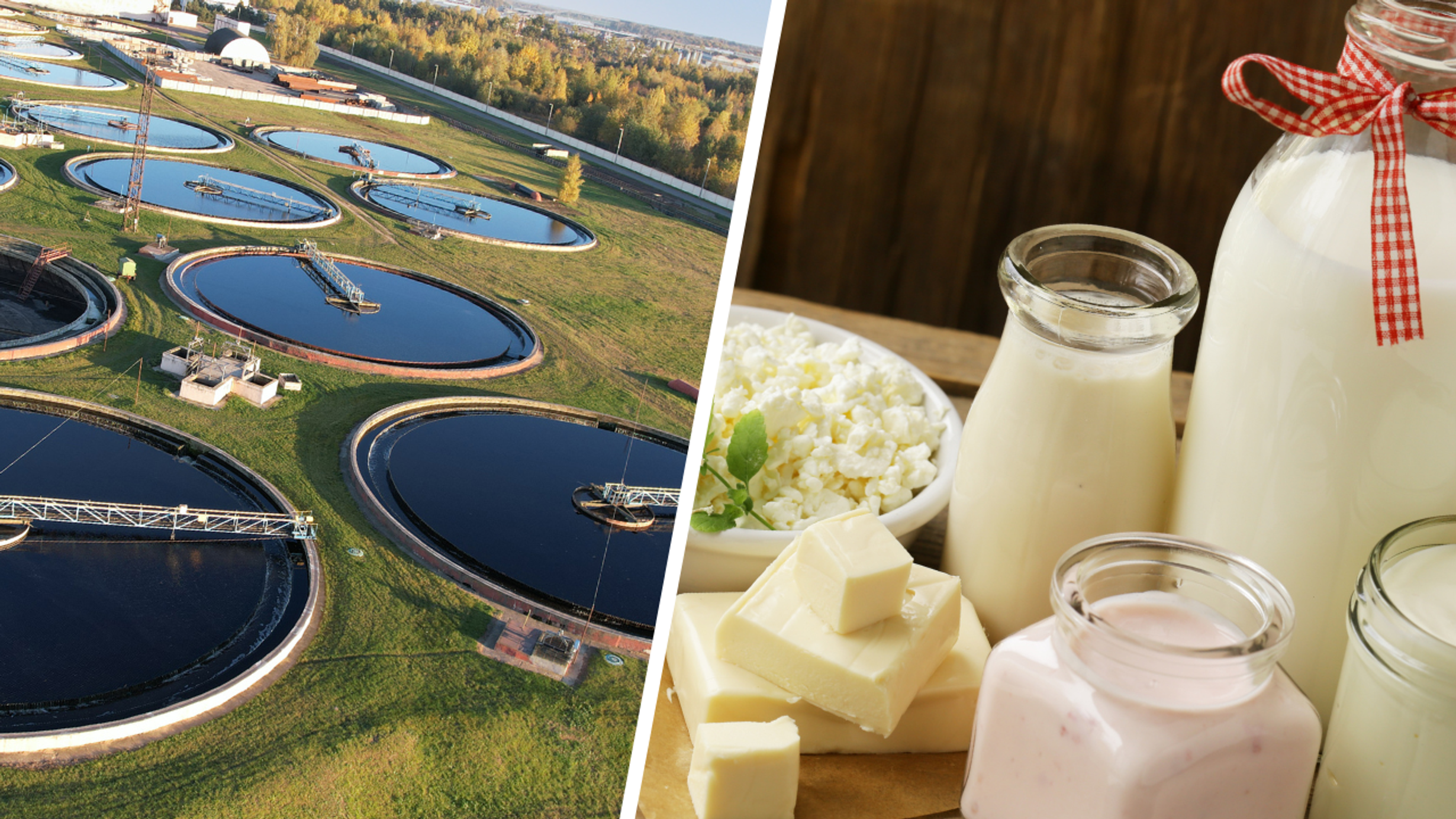
There is no such thing as a pure feed. Whether it's a dairy stream, industrial wastewater, fermentation broth, or surface water, everything we touch in processing starts as a mixture. That mixture needs to be clarified, concentrated, purified, or fractionated. And it needs to be done efficiently, reliably, and with minimal waste.
That’s where Acuriant lives: where separation precision meets filtration strength. Where two essential membrane disciplines come together to solve the toughest concentration, purification and recovery challenges.
The words filtration and separation are often used interchangeably. But they shouldn't be. Because understanding the distinction is scientifically important and it directly affects how we design systems, choose materials, and deliver value.
Let’s clarify the difference.
What is filtration?
Filtration is a physical barrier process. It screens out suspended solids, soil, bacteria, and other particulate matter based purely on size. If it’s bigger than the membrane’s pores, it doesn’t get through. Just clean, robust protection.
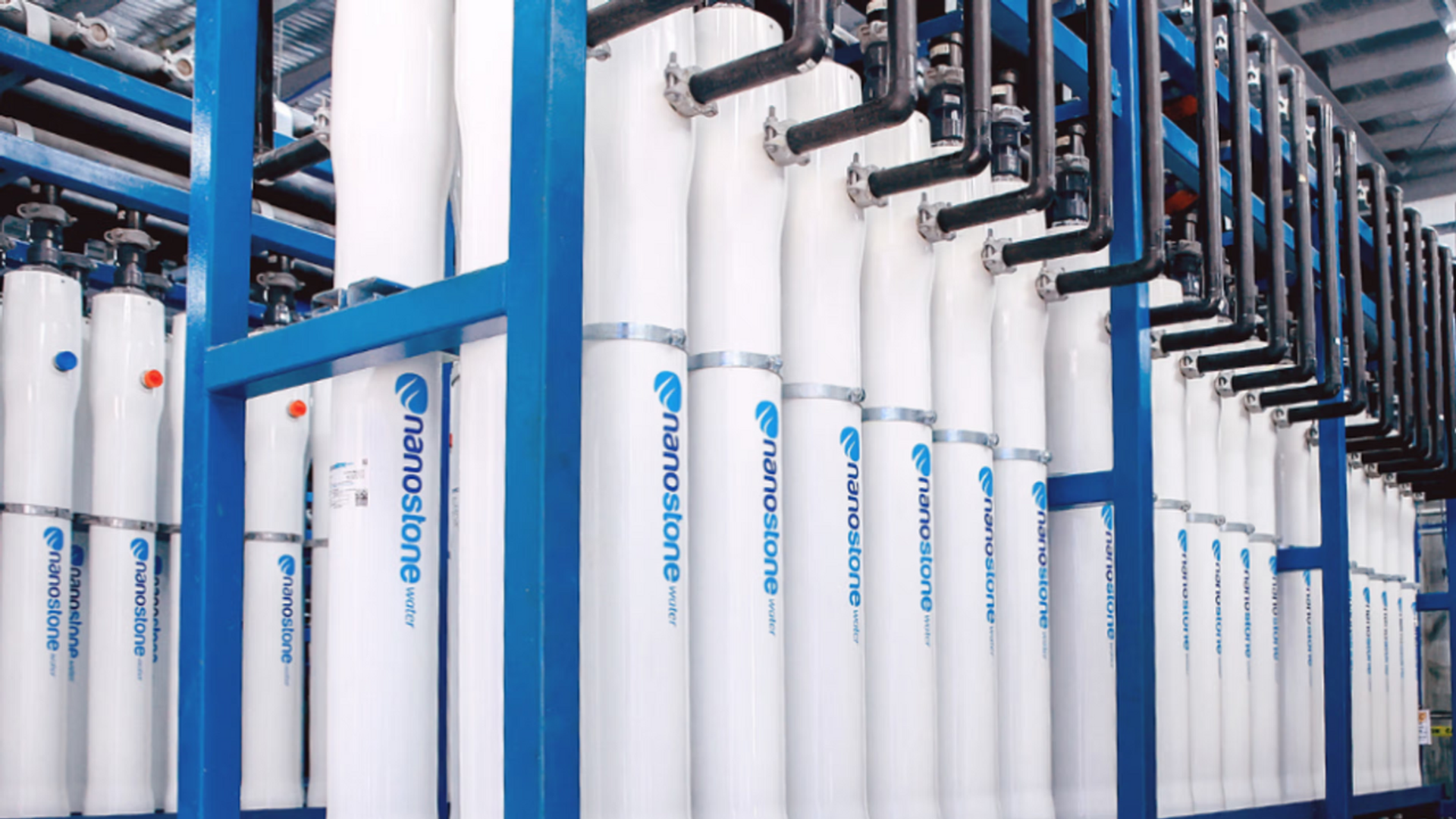
This is Nanostone’s domain: High-flux robust ceramic ultrafiltration membrane solutions built to thrive under extreme water conditions: chemically aggressive feeds, high solids, and wide flow variability. Nanostone ceramic membrane modules keep systems clean. They keep operations protected. They make challenging water reusable.
- Serves as the first line of defense against fouling, degradation, and operational risk
- Provides regulatory confidence and long-term reliability
- Often the essential pretreatment that safeguards downstream separation performance
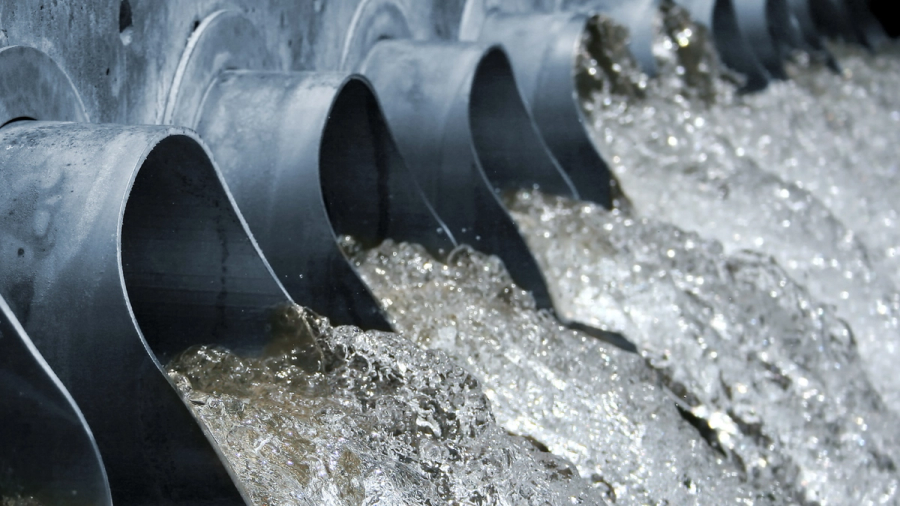
- Filtration, especially ultrafiltration, acts as a barrier against suspended solids, bacteria, and pathogens.
- In engineering terms, it protects downstream processes from fouling, degradation, or overload.
- In regulatory terms, it safeguards public health by improving quality and pathogen removal.
- It’s routinely deployed as a pretreatment step to protect more sensitive (and expensive) separation stages like RO.
What is separation?
Separation is a process of molecular exclusion. It doesn’t just remove what’s too big. It decides what passes based on size, charge, or chemical behavior. It uses membrane chemistry, molecular weight cut-offs, charge-based affinity, and process conditions to sort solutes at the molecular level. In dairy, food ingredients and life sciences, manufacturing, and specialty chemicals, that matters enormously.
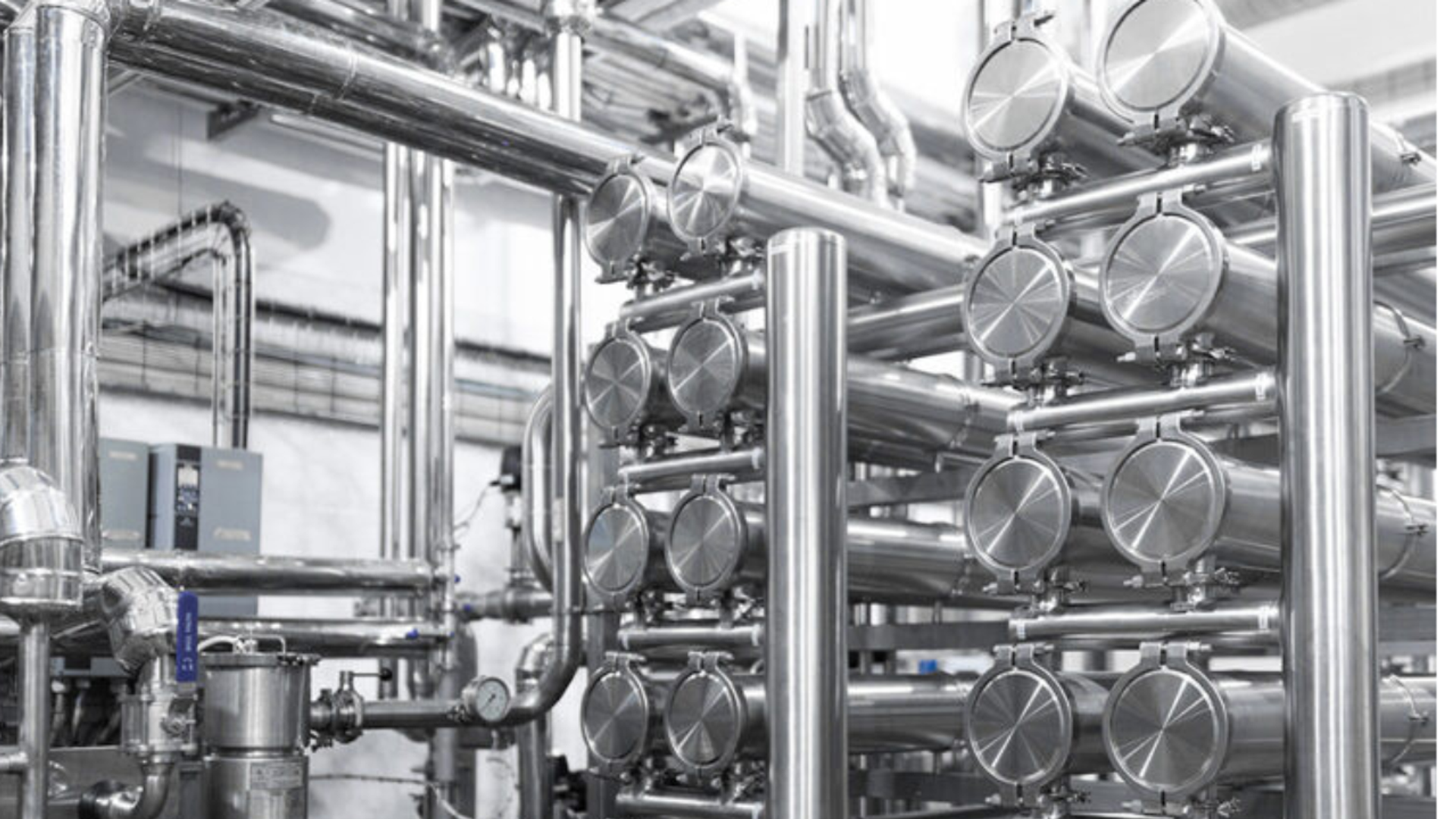
This is Solecta’s core: precision-engineered spiral-wound polymeric membrane solutions for:
- Microfiltration
- Ultrafiltration
- Nanofiltration
- Reverse Osmosis
They recover proteins, remove contaminants, concentrate valuable ingredients, and fractionate complex streams with precision and control. This is where separation excels.
Think less about removal, and more about recovery. Less about keeping things out, and more about keeping the right things in.
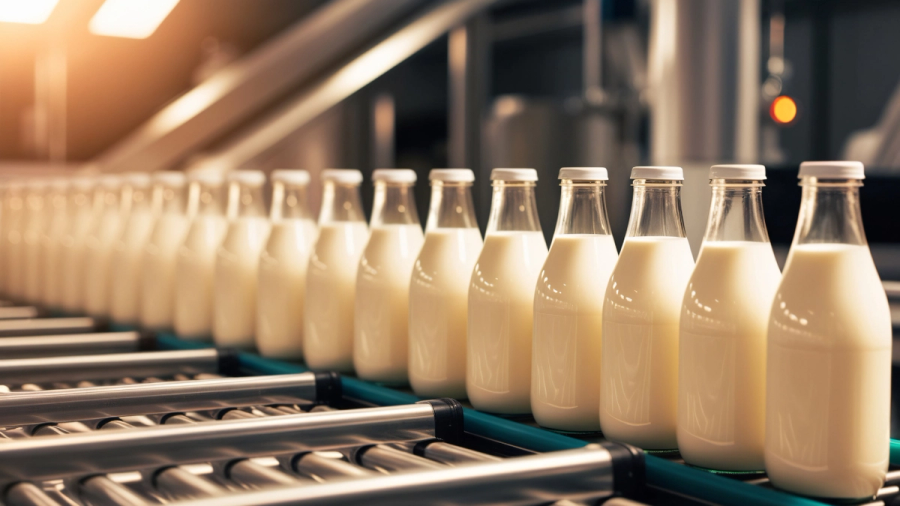
- Separation (especially in dairy, food, life sciences) is about selectively recovering valuable components, enhancing product purity, improving yield and throughput, and reducing waste or downstream burden.
- It’s where the economics matter most: capture more protein, purify the active compound, concentrate the carbohydrate stream, etc.
- From a commercial and process perspective, separation drives end-product quality, regulatory compliance, and margin.
Filtration Protects. Separation Gains.
That’s the essential distinction. Filtration ensures your water or feed is clear, safe, and consistent. Separation ensures your process delivers the composition, concentration, and economics you're targeting.
Acuriant does both. We combine them to solve our client’s biggest challenges.
Separation (Solecta): Precision-engineered polymeric membrane solutions that separate dissolved molecules, ions, and solutes by size, charge, or chemistry. Delivering yield, value capture, product purity, and throughput.
Filtration (Nanostone): Pressure-driven ceramic barriers that stop particles, pathogens, colloids, and microbes ≥ 30 nm. Delivering clarity, protection, and operational efficiency.