WHEN A TEAM EFFORT DISRUPTS A MARKET
CUF|Flow boosted membrane surface 40% in the same footprint, earning Acuriant a Global Water Awards shortlist for transforming ceramic ultrafiltration.
April 8, 2026
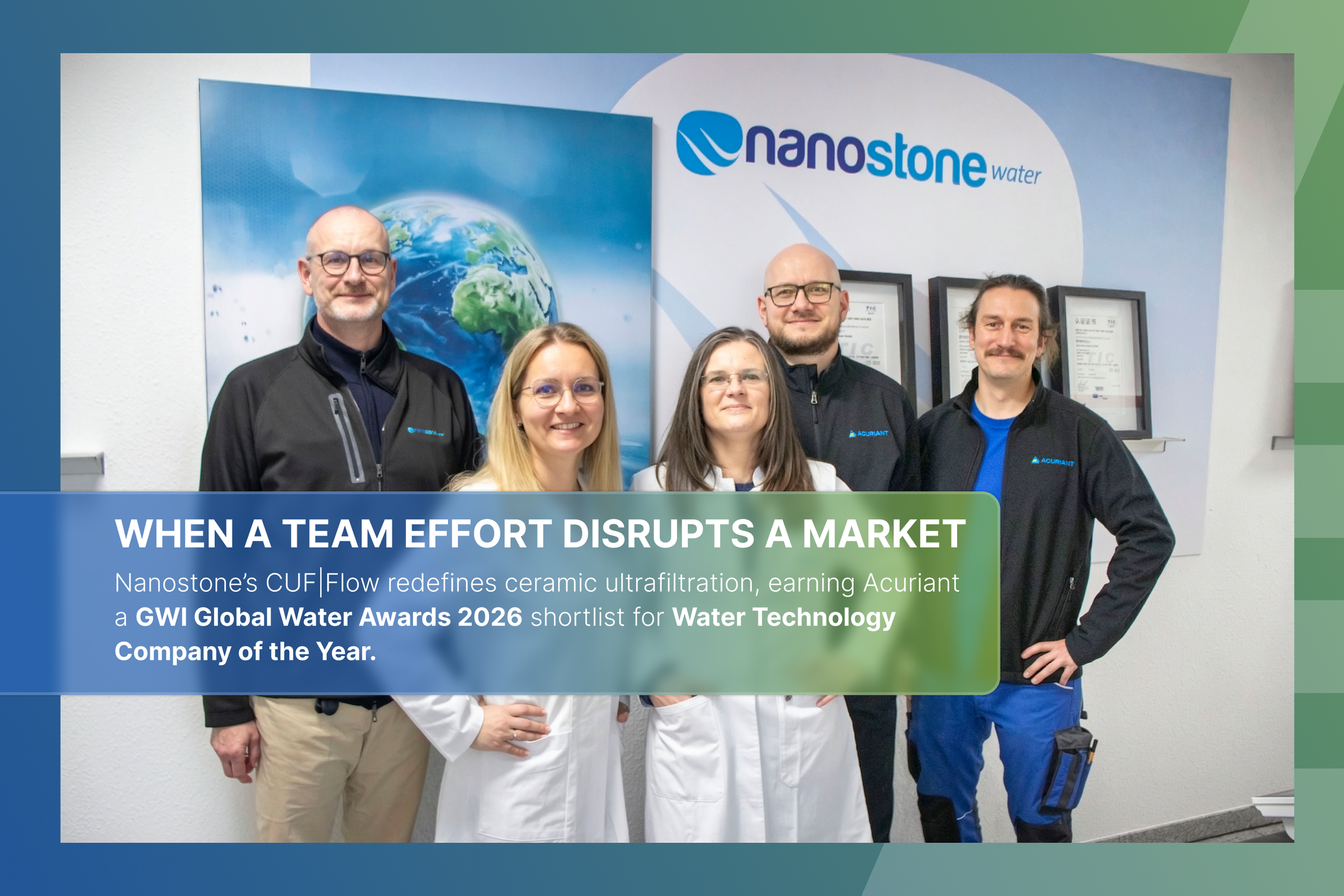
The word disruption gets reserved for invention. A new category emerges, an old one collapses, and the story practically writes itself. What that framing misses is the harder kind of disruption: the one that doesn't come from something new, but from an existing technology crossing a threshold it could not previously reach. No new invention required. No category destruction. Just disciplined engineering that finally changes the number that was holding everything back. In few places on earth is that kind of engineering discipline more at home than in Germany. That is exactly what happened when a small team at Nanostone, Acuriant's ceramic ultrafiltration portfolio brand and a leading developer and manufacturer of advanced ceramic UF technology for large-scale water treatment, set out to improve a product they already believed in, and ended up disrupting a market that had been waiting for this moment for years.
Two and a half years ago, the development group at Nanostone's Halberstadt facility started with a direction rather than a fixed specification. The brief was broad. Better performance. More water per module. Lower impact over the lifetime of a system. How to get there was open.
Two routes emerged early. One pointed toward coating chemistry and pore structure, specifically reducing the chemical pre-treatment requirements that add cost and complexity across a system's operating life. The other pointed toward geometry. Pack more membrane surface into the same physical space, without changing the outer dimensions the market had already accepted. For a small interdisciplinary team working within a startup's real constraints, both routes at once was too much. They made a deliberate call. Geometry first. The other path would wait, not be abandoned.
That decision shaped the next two and a half years.
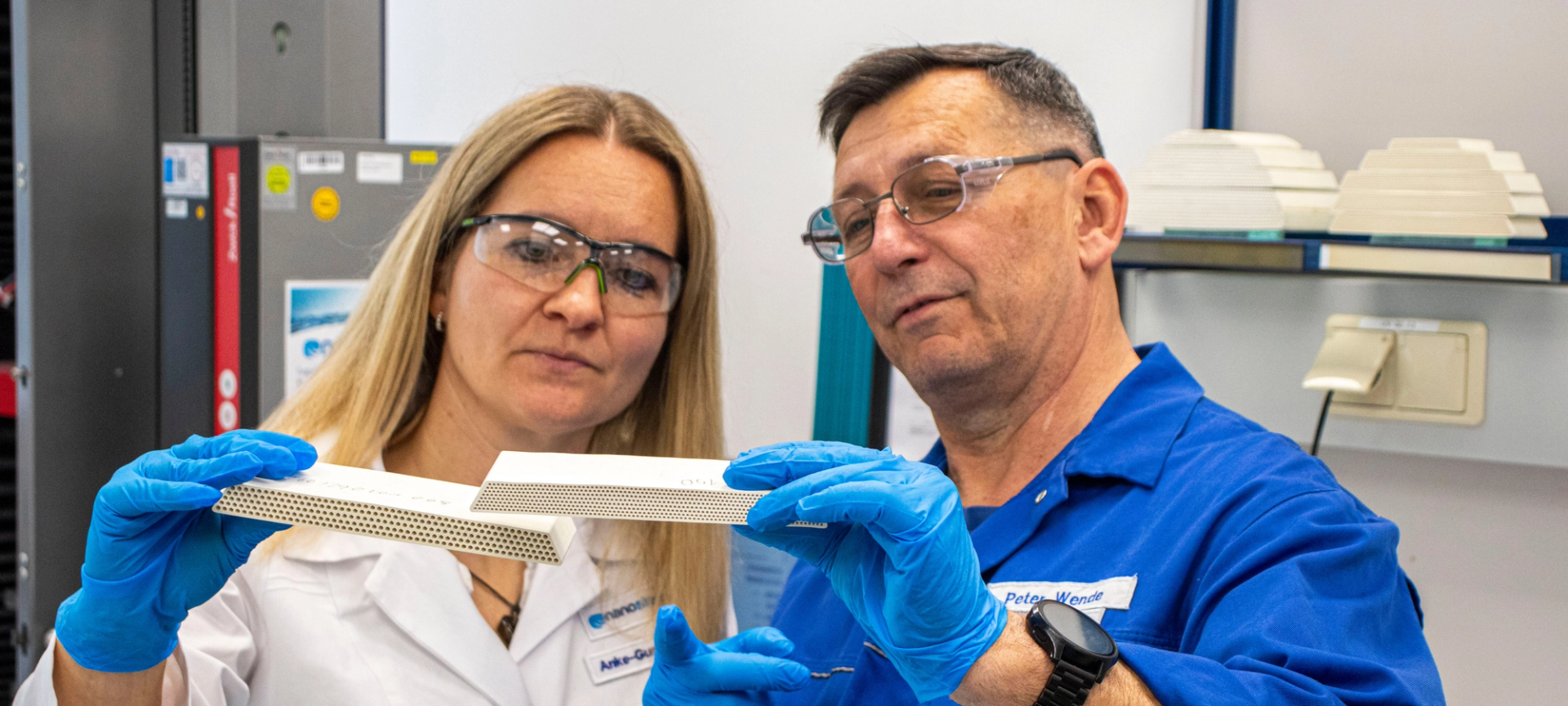
Dr. Anke Gundula Roth, Manager R&D, led the project, coordinating sub-teams across extrusion, coating, module assembly, verification, scale-up, and certification. Yusuf-Zeki Emanetci, CFD Engineer, drove the simulation and modeling work that defined the geometry direction, combining CFD fluid dynamics analysis with design-of-experiment protocols to identify the channel configurations worth pursuing. Additionally, he worked through multiple iterations of core plate geometry before landing on the design that became CUF|Flow. Fabian Bade, Manufacturing Engineer, translated those configurations into extrusion reality. Nadine Biesenack carried a perspective that proved rare and valuable throughout. Having started the project on the R&D side, she moved into the role of Team Leader Quality Control during the development itself, holding two questions at once: what is possible when there are no limits, and how do we maintain the quality standards a customer is depending on. André Mueller, Application and Maintenance Engineer R&D, ran comparative pilots at Halberstadt and oversaw pilots internationally, providing the field reality check that kept development decisions grounded in what actually happens when theory meets water.
Dr. Christian Goebbert, Chief Technology Officer, had set the requirements the team was working against. He carried the commercial expectation that the rest of the team was not yet fully measuring themselves by. The technical brief and the market ambition were two sides of the same document. Most of the team was focused on the first side.
The engineering objective was specific. Thirty percent more membrane surface area within the same outer dimensions. That target was set for a clear commercial reason: retrofit compatibility. If CUF|Flow could fit existing racks, customers could upgrade without rebuilding their systems. The form factor also needed to remain compatible with the dimensions that allow ceramic UF to be evaluated directly against polymeric alternatives in the same installation.
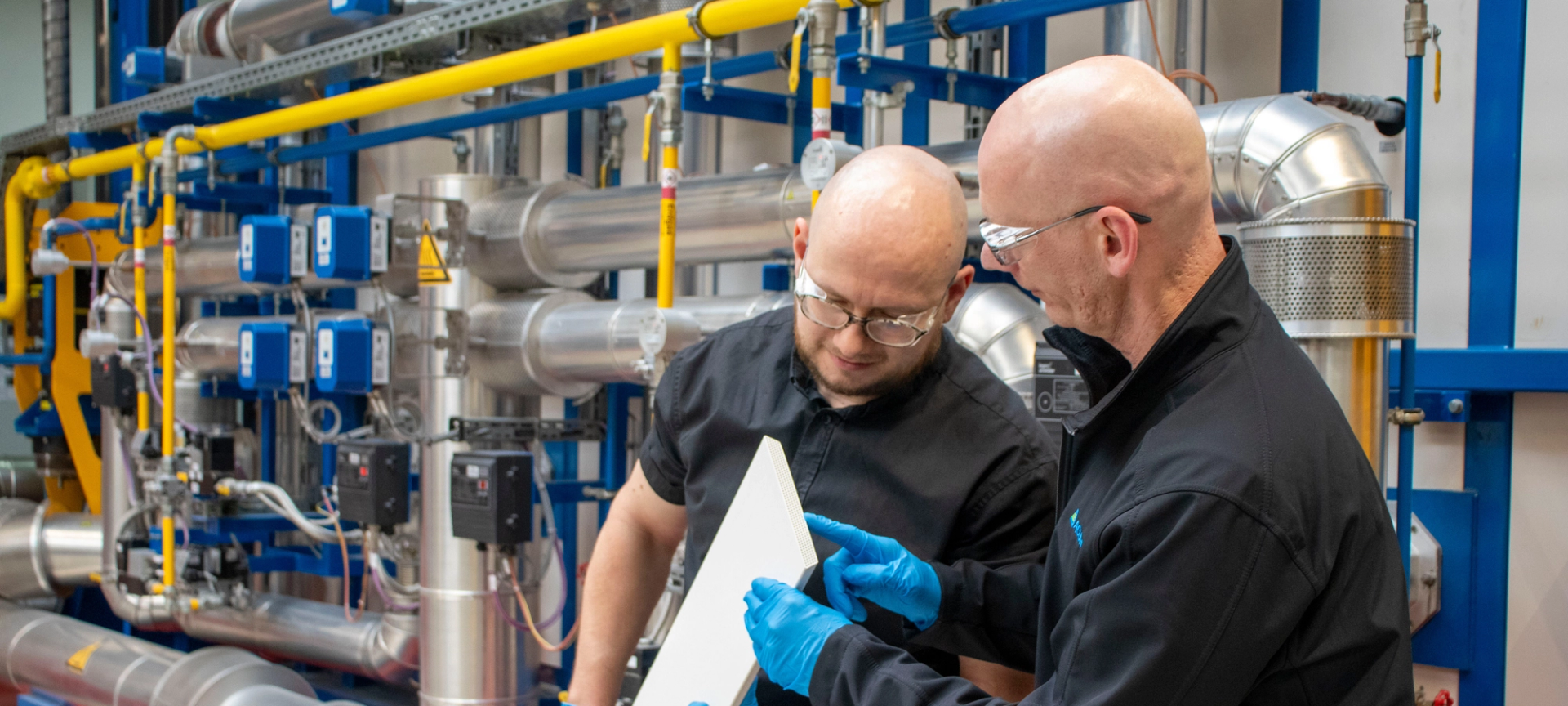
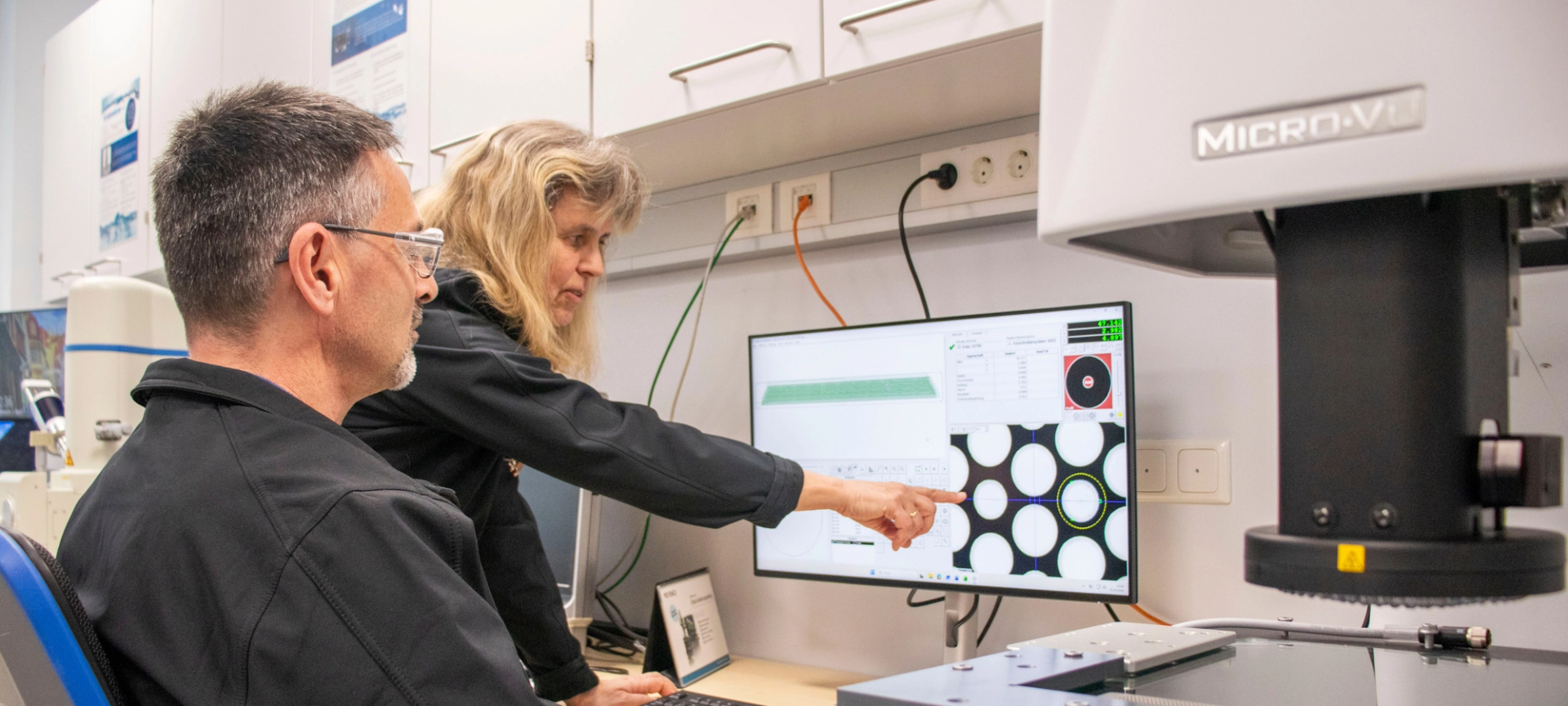
Achieving it required rethinking the channel geometry from the ground up. Yusuf-Zeki Emanetci tested multiple round channel configurations through CFD fluid dynamics simulations and design-of-experiment protocols, modeling the effects of channel diameter and wall thickness on filtration area. Earlier assumptions had suggested higher channel density would not translate into meaningful performance gains. Pilot work proved otherwise.
The 30 percent target was exceeded. CUF|Flow delivers roughly 40 percent more active membrane surface area within the same physical housing, achieved by packing more than 4,800 channels into the same segment cross-section. Substantially more than any previous generation of the platform. Each channel sits at 1.5 millimeters in diameter, with consistent wall thickness maintained across the full length of every segment.
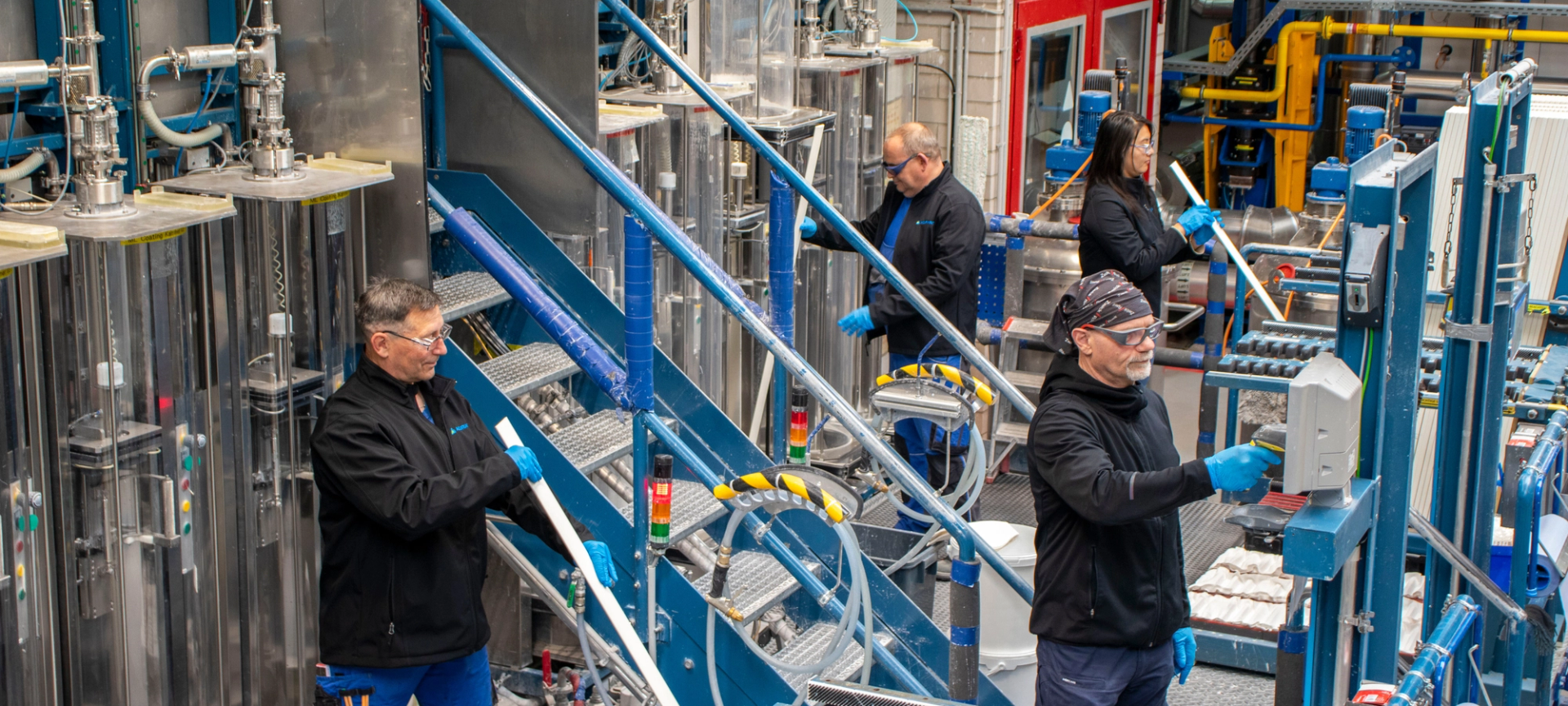
Those numbers compress what was genuinely difficult into something that reads like a specification update. It was not. Producing more than 4,800 uniform channels at that diameter, firing every segment without cracks, and coating each channel consistently required redesigning the coating process entirely. The original slurry system caused clogged channels at the smaller diameter. The team rebuilt the slurry composition and the application procedure from scratch. None of that happens without the production operators on the floor who ran the trials, identified what was not working, and held the quality line through every iteration. Their discipline is what turned a simulation into a manufacturable product.
The segmented monolithic architecture that carries all of this is an active design choice. A monolith of these dimensions would be unmanageable before firing, requiring heavy machinery and carrying significant breakage risk. Segmentation means a defective component can be replaced without scrapping an entire structure, which matters in production at scale while also enabling the retrofit compatibility and individual module isolation that operators value in the field.
When pilot results came in, they were unambiguous. CUF|Flow delivered consistent, measurable capacity gains over CUF|Shield across every water source tested, at equivalent energy input, confirming that the additional membrane area translated directly into output in the field. Rapid Valley Sanitary District had already replaced failing polymeric microfiltration systems with Nanostone CUF|Shield, restoring reliable drinking water capacity to their community. When the district needed more output without expanding their footprint, they turned to CUF|Flow. The same racks. No new infrastructure. More capacity per module. The district now has a pathway to expand output to 5 MGD within its existing footprint.
Fewer modules to reach a given output. Fewer racks. Less piping. In the right designs, fewer civil works and a lower CO2 footprint per cubic meter of water treated over the asset life. For specifiers who had previously moved past ceramic UF on capital grounds, the economics now looked different. Utilities navigating more variable raw water sources, and industrial operators working under tighter capital discipline, were finding that a ceramic UF option within mainstream project economics had arrived. That is where a product improvement becomes something larger.
When the team gathered to reflect on the development story following the Global Water Intelligence shortlisting, someone asked whether they had realized, while working on it, that this might represent more than a product launch. The room went quiet.
Anke Roth answered for the group. They had been overwhelmed by the economic effect. The technological challenge had been the focus. The commercial consequence was still arriving.
Christian Goebbert was not surprised. He had set the requirements knowing exactly what the company needed. A module capable of moving ceramic UF from specialist consideration toward first-choice evaluation in municipal drinking water projects. The pressure was always both technical and commercial. The team felt the first part clearly. The second became clear later.
This dynamic sits at the center of what makes the CUF|Flow story worth telling. The team was not managing a market strategy. They were solving an engineering problem, making a hard resource decision early, adapting when manufacturing reality did not match theory, proving field assumptions wrong in pilots, and then watching the commercial consequence unfold. Disciplined technical work and material market impact occupied the same timeline without the team fully recognizing both at once.
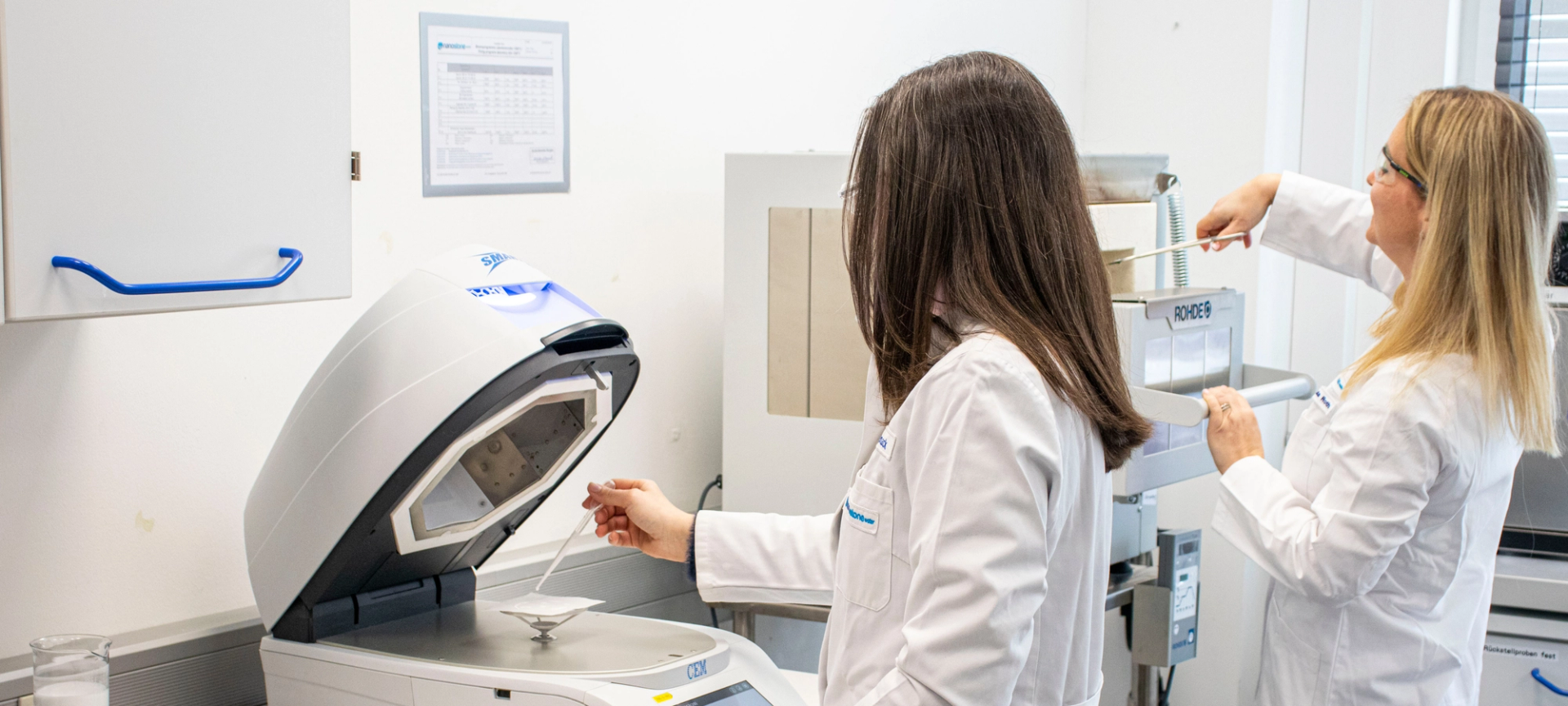
Near the end of the reflective team session, Anke Roth put it plainly. Everything comes and goes with the team. It was not a managed process she was describing. It was an interdisciplinary effort where people from R&D, quality control, manufacturing, and application engineering worked in the same room multiple times a week, brought their expertise to bear on the same problem, and consistently found solutions.
Global Water Intelligence shortlisted Acuriant as Global Water Technology Company of the Year, a recognition driven substantially by the CUF|Flow launch. When the people who track this industry most closely put your name on a shortlist, the market notices.
CUF|Flow is not the end of the development story. The second path from the original brief, focused on pre-treatment chemistry and reducing coagulation requirements, has been restarted. The next generation of challenges in water treatment, micropollutants, PFAS, pharmaceutical residues, increasing raw water variability, are on the roadmap. Ceramic and polymer capabilities, now combined under Acuriant, make that solution space substantially larger than Nanostone held on its own.
A core team in Halberstadt, supported by colleagues across the organization, accepted a broad brief, made a disciplined choice about where to focus, solved problems harder than they looked on paper, and produced a module that changed the conversation around a technology category. They did not set out to disrupt a market. They did it anyway.